
The Story in the Scrap: Why Memory-Keeping Matters (Even If No One Reads It)
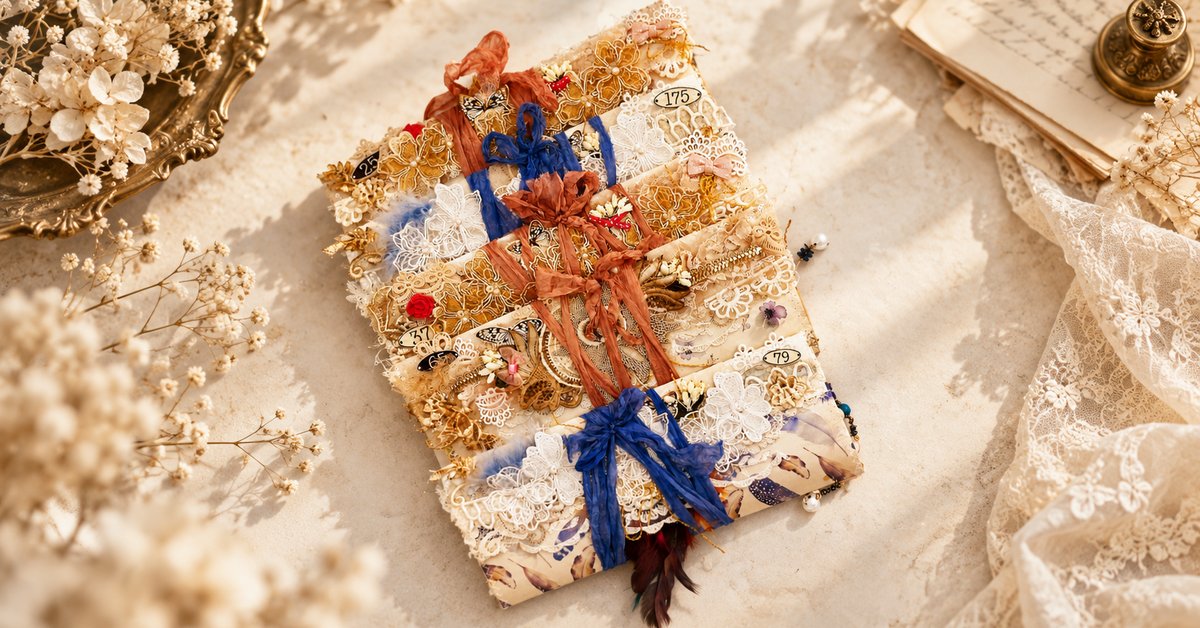
Why the things we almost throw away — a length of silk, a lawyer's papers, a scrap of lace — can quietly become part of a family story worth keeping.
Why an old piece of silk, a lawyer's papers, and the things we almost throw away can become part of our family story
Quick Answer
Memory keeping is not simply about recording important events.
Sometimes it is about recognising that an ordinary object has quietly become part of our story.
A length of fabric.
An old letter.
A handwritten page.
A receipt.
A photograph.
A document someone once handled every day.
On their own, these things may appear insignificant. But once the person, place or moment attached to them is gone, they can become surprisingly powerful.
That is one of the reasons I make journals.
Not everything we preserve needs to be valuable in the conventional sense.
Sometimes it simply needs to have lived.
In This Story
- Why everyday objects become emotionally valuable
- The Banarasi fabric I kept from my wedding
- The old papers I saved after my grandfather died
- Why memory is often stored in materials rather than photographs
- How scraps become stories inside handmade journals
- Why a journal doesn't need an audience
- Simple ways to begin preserving your own family fragments
I Have Always Had Difficulty Throwing Beautiful Things Away
There are people who see an old piece of paper and see something that has finished its purpose.
I tend to see the opposite.
I wonder where it came from.
Who touched it.
What it once belonged to.
Whether there might still be another life waiting inside it.
That instinct has followed me for years.
My cupboards have held old wedding invitations, pieces of embroidery, tailoring remnants, lace, envelopes, fabric and papers that most people would probably have discarded long ago.
For years I thought I was simply someone who couldn't throw things away.
Eventually I understood that I was doing something else.
I was keeping evidence.
Evidence that something had existed.
That someone had been here.
That a particular season of life had happened.
And two collections I have kept have taught me more about memory than almost anything else.
One is a piece of Banarasi fabric from my own wedding.
The other is a collection of old papers that belonged to my grandfather.
The Fabric My Parents Gave Me When I Married
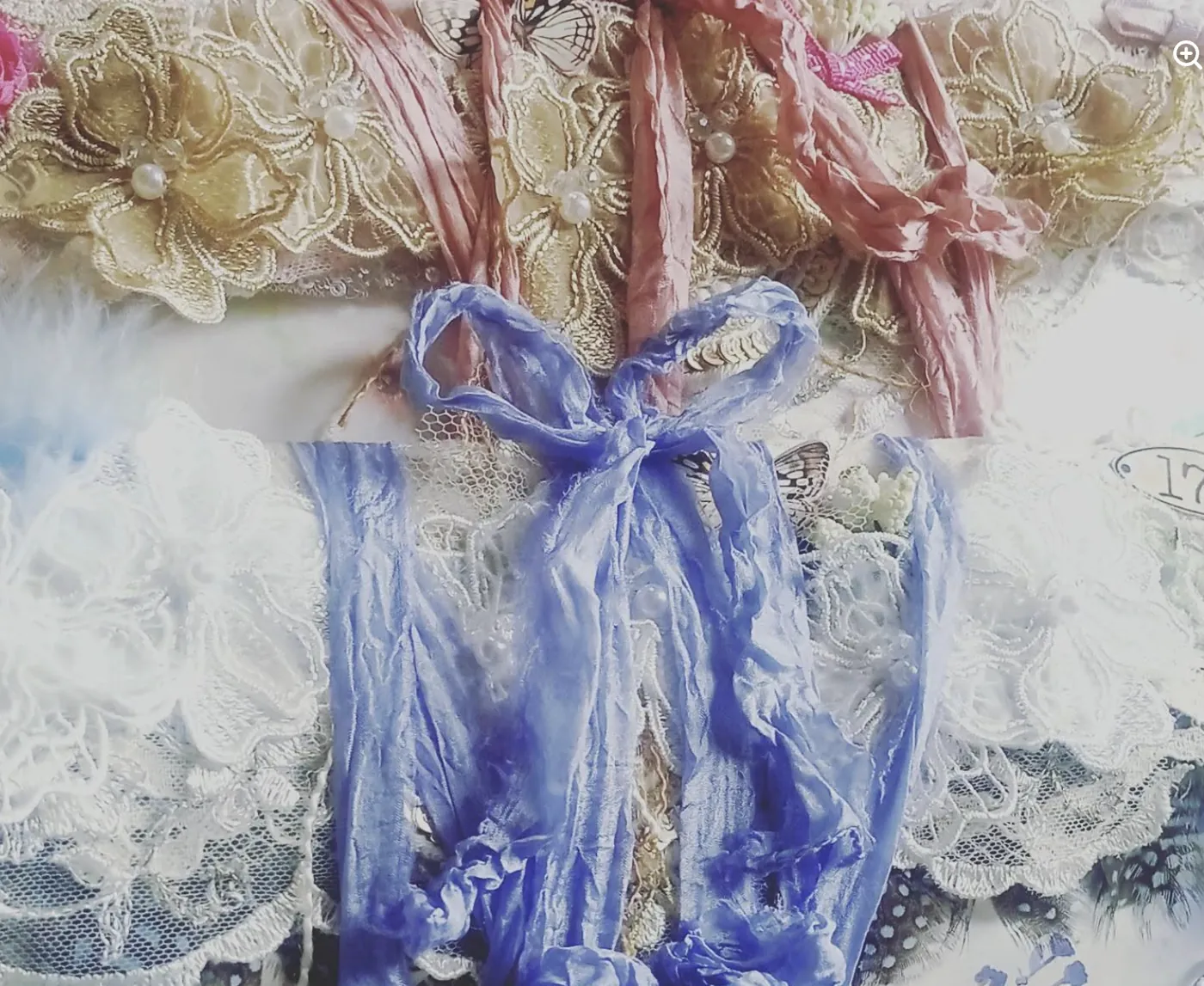
When I got married, my parents gave me a beautiful length of Banarasi fabric.
It was intended to become a bed cover.
The fabric was rich and elaborate, woven with metallic gold thread and the kind of colour and decoration associated with celebration.
It was beautiful.
It was also not particularly practical.
The metallic threads would catch and pull, which made it difficult to use as an everyday bed covering.
So, like many things in a home, its purpose changed.
Part of it eventually became a decorative pelmet above a window.
The remaining fabric was folded away and put into a cupboard.
And there it stayed.
For years.
My life moved on around it.
Children arrived.
Homes changed.
Work continued.
Years accumulated.
The fabric simply waited.
My website now describes it as "a fabric that waited twenty years to become a book." That is exactly what happened.
When I Found It Again
Years later I was going through stored things and found it again.
The colours were still there.
The gold thread was still catching the light.
And suddenly I wasn't looking at an impractical old bed cover anymore.
I was looking at something my parents had given me when I began my married life.
That changes an object.
The fabric itself had not altered very much.
I had.
So much had happened between the day it entered my life and the day I unfolded it again.
And perhaps that is why objects become meaningful.
They wait while we change.
Then we encounter them again carrying twenty years that were never physically inside them at all.
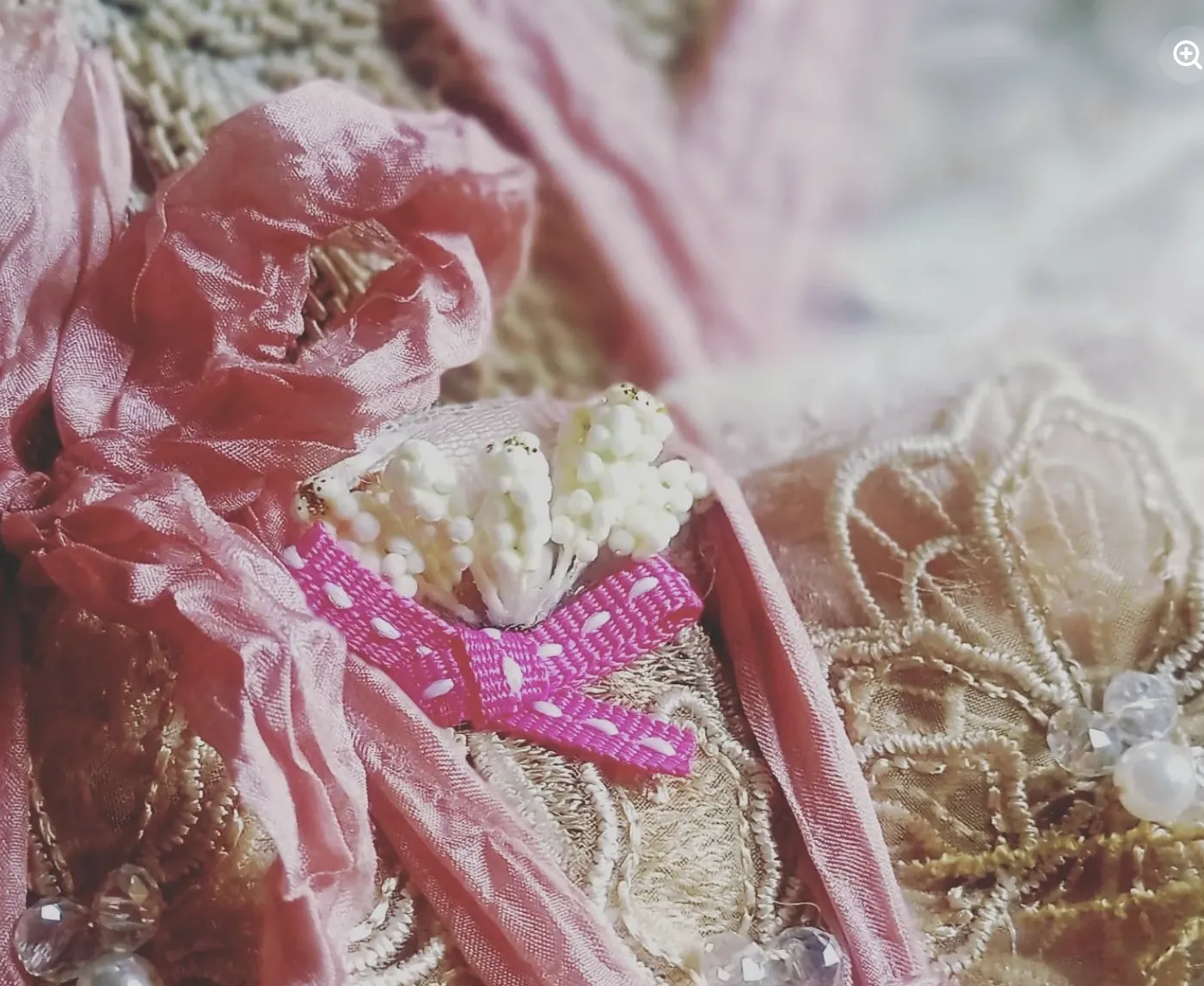
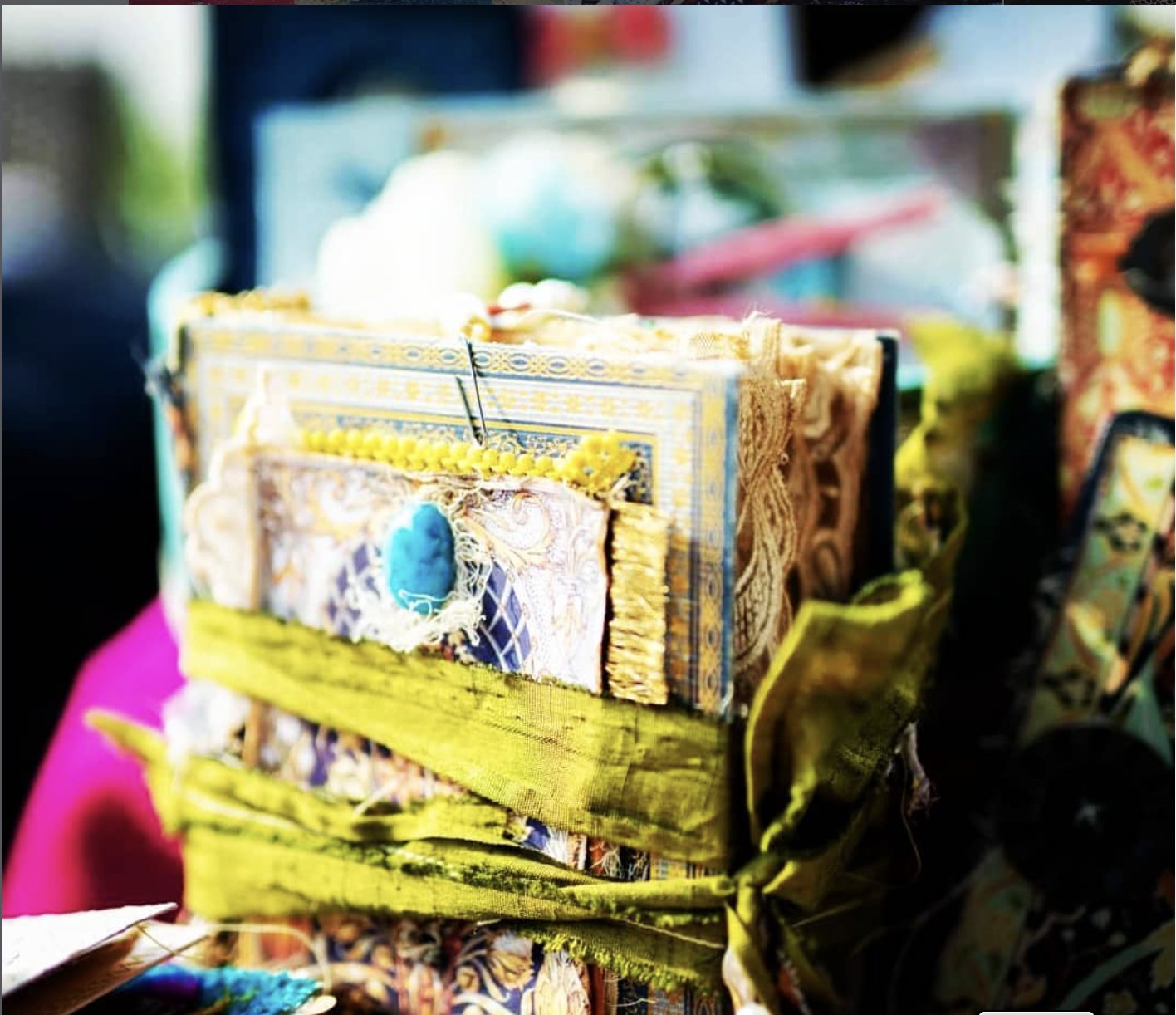
I eventually used that fabric to make journal covers.
That decision felt far more meaningful than simply putting it back into the cupboard.
The textile still exists.
But now it can be touched, opened and used.
Instead of being hidden away as something "too precious" to do anything with, it has become part of something living.
That is what I mean when I talk about giving materials another life.
It isn't only recycling.
Sometimes it is continuing a story.
Then There Were My Grandfather's Papers
The papers were different.
My grandfather was a lawyer.
After he died, I came across some of his old papers.
To anybody else they could easily have looked like exactly that:
Old papers.
Documents that had served their purpose.
Things belonging to work that had already been completed.
But I could not see them only as paper.
They had belonged to him.
They came from the working life of a man I knew.
He had handled them.
Kept them.
Worked amongst them.
And after his death, their usefulness may have ended — but their connection to him had not.
So I kept some.
I have since used papers from his collection in my journals. Some of those old family papers found their way into my vintage grunge memory journal, alongside wedding invitations, lace, old book pages and other materials collected across different periods of my life.
And I think this is where the word scrap becomes misleading.
Because materially, it may only be scrap paper.
Emotionally, it can be something entirely different.
After Someone Dies, Ordinary Things Change
There is something strange that happens to objects after we lose someone.
Things that once seemed completely ordinary become charged with meaning.
A person's handwriting.
The book that was always beside their chair.
A pair of glasses.
An old legal paper.
A recipe written in the margin of something.
A piece of fabric.
Nothing about the physical object has changed.
What changes is that it has become finite.
There will not be another note written in that handwriting.
Another document carried home from that office.
Another ordinary Tuesday in which that thing simply exists without anyone thinking it important.
And suddenly the ordinary object has become a survivor.
That is why deciding what is "worth keeping" can be so difficult.
We are rarely evaluating the object itself.
We are evaluating everything attached to it.
Memory Does Not Always Live in Photographs
When we think of preserving family history, we usually think first about photographs.
Photographs matter enormously.
But they aren't the only witnesses to a life.
Sometimes a piece of fabric tells you something a photograph cannot.
It tells you what people wore.
What colours surrounded them.
What craftsmanship belonged to a particular place.
An old document may show you someone's handwriting, occupation, habits or everyday working world.
A wedding invitation tells you how people celebrated.
A recipe tells you what a kitchen smelled like.
A letter gives you a voice.
A scrap of cloth can transport you instantly into a room that no longer exists.
These are not simply objects.
They are physical memory cues.
And often they awaken memories that we didn't even know we still had.
Why I Put Old Things Into New Books
There is always a question when something is sentimental:
Should we preserve it exactly as it is?
Sometimes, yes.
There are things I would never cut.
Never stitch through.
Never alter.
But not every meaningful thing needs to live permanently inside an archival box.
Sometimes transformation is a form of preservation too.
That old Banarasi textile had spent years folded away.
Now parts of it exist as journals.
My grandfather's papers had finished their original working life.
Some became part of pages that tell another story.
The original object changes.
But its history remains.
Perhaps it even becomes more visible.
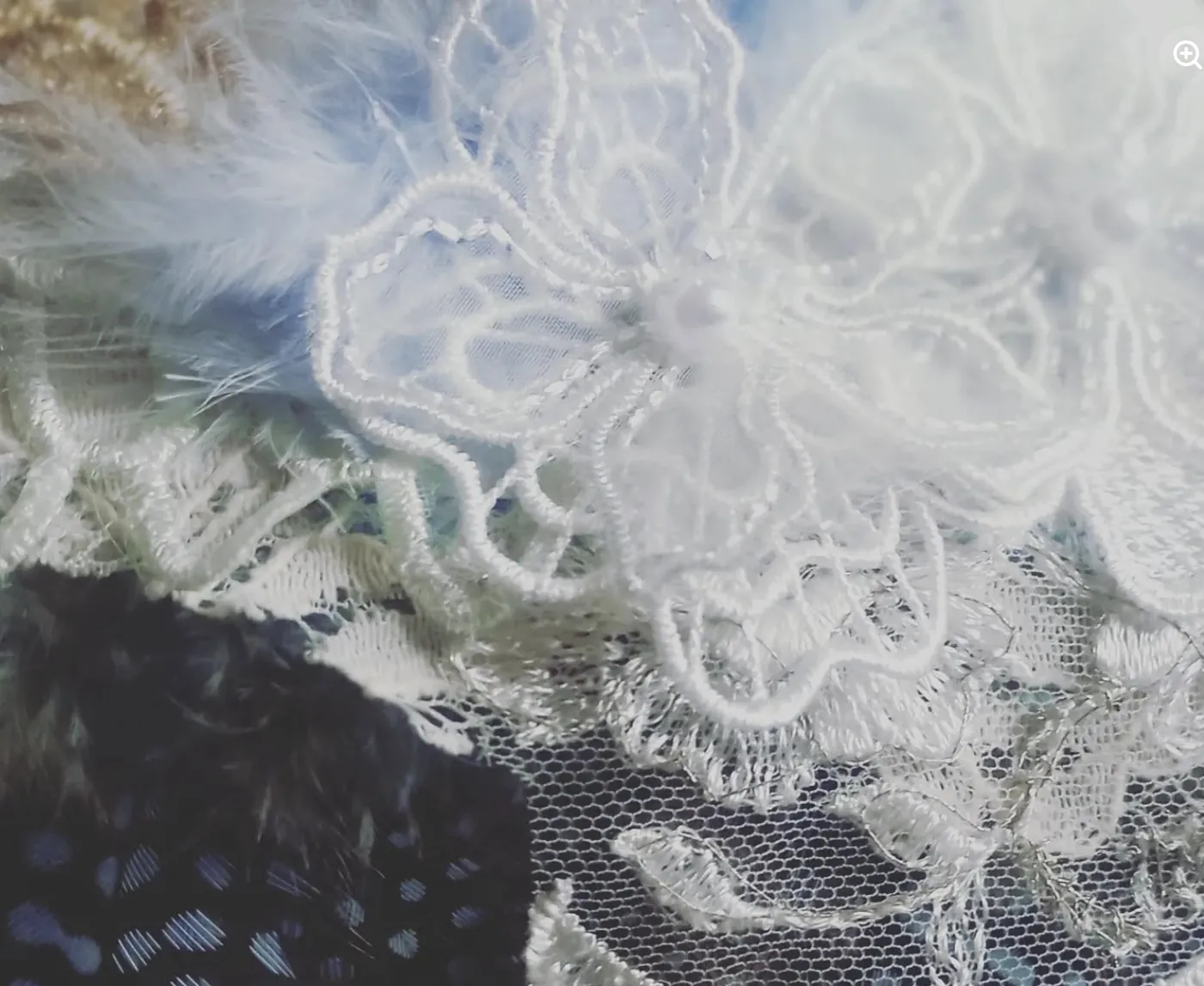
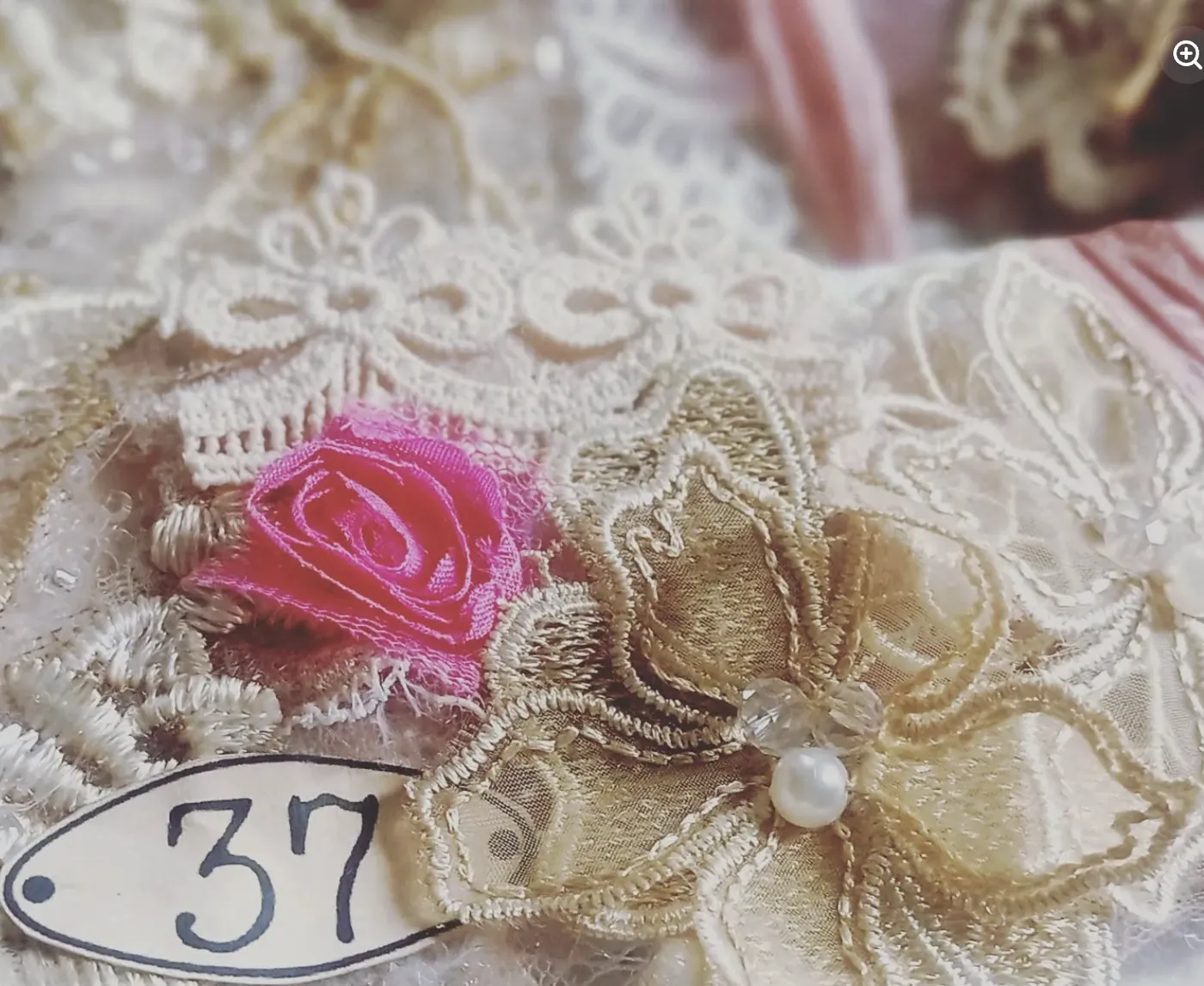
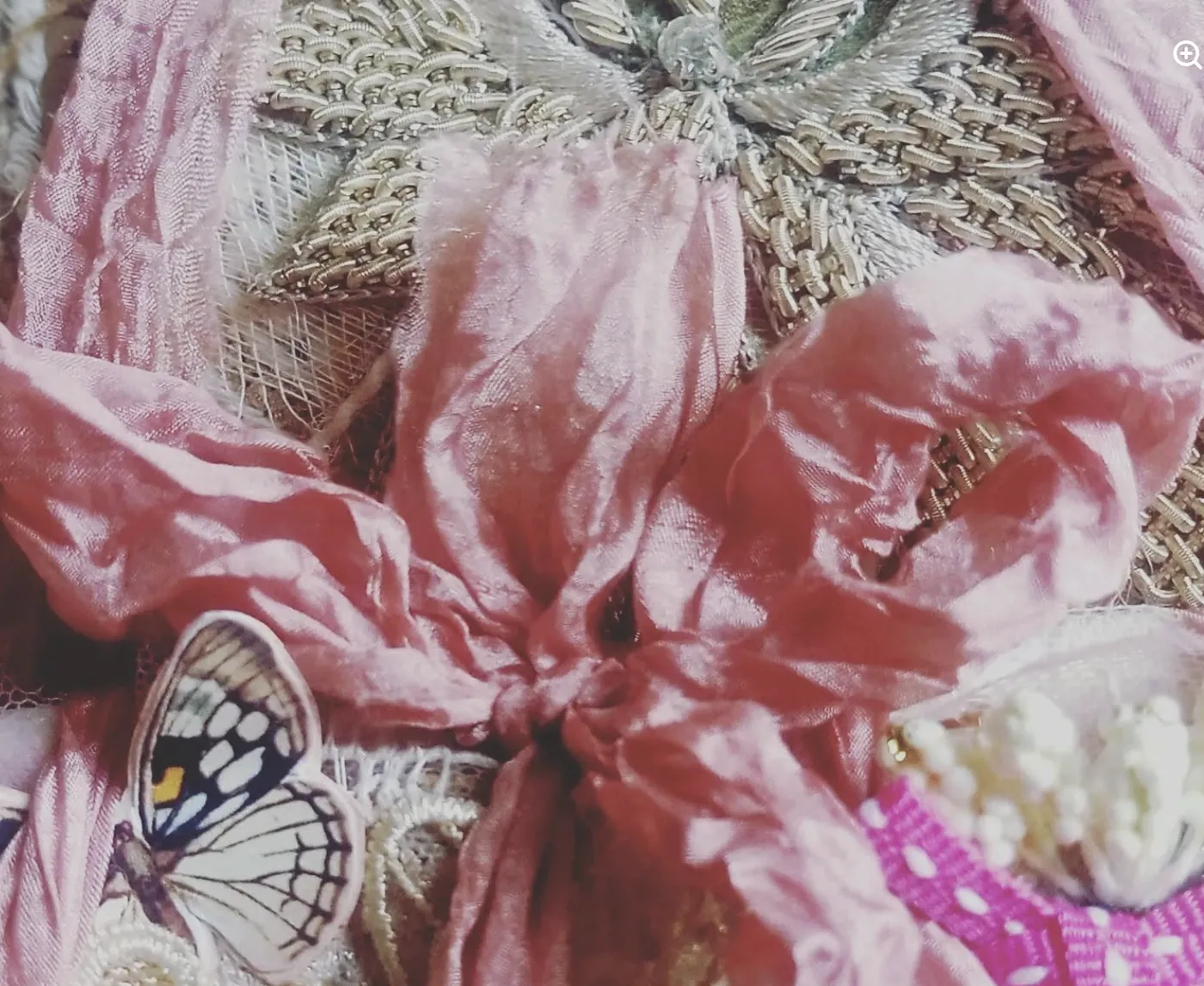
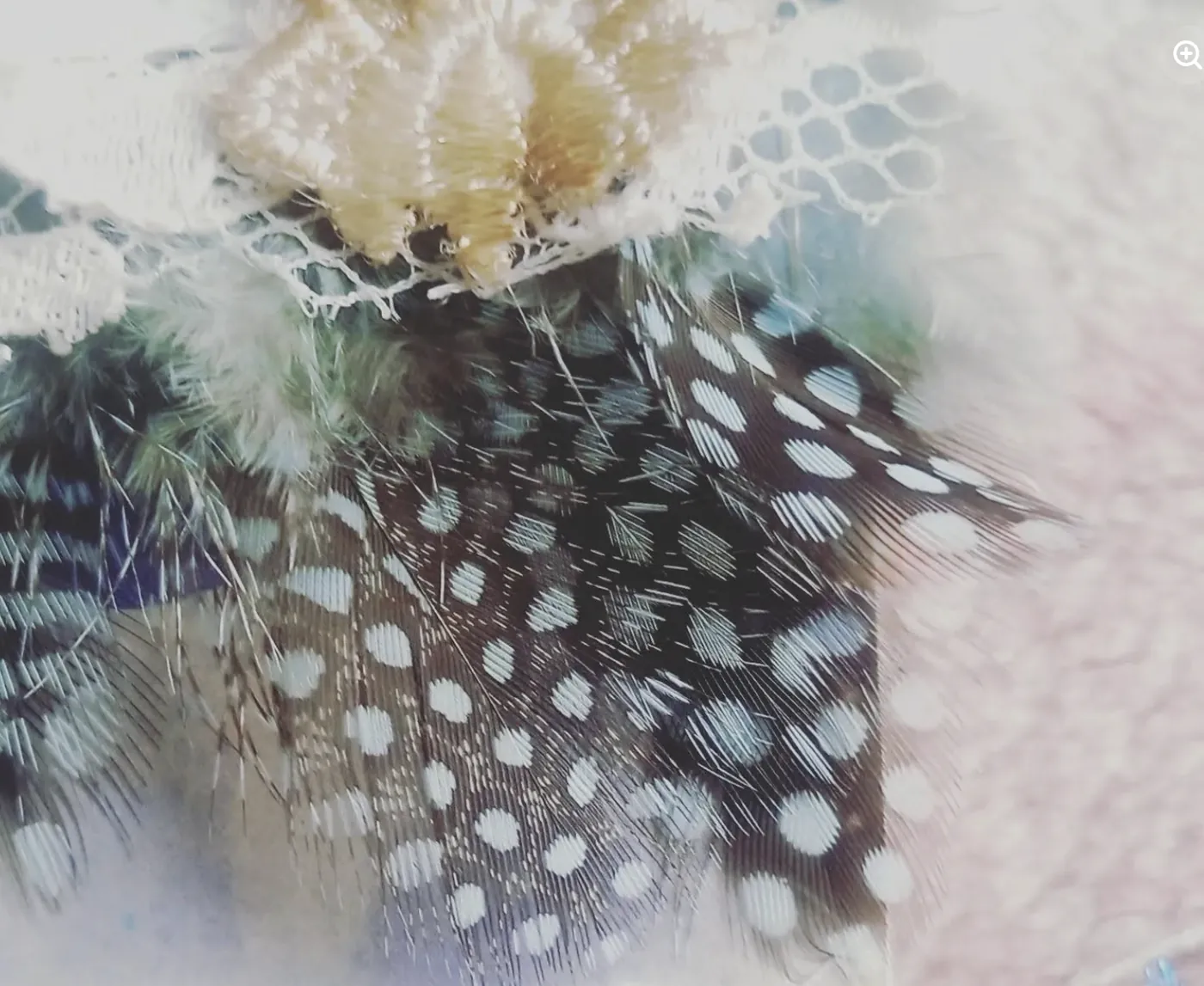
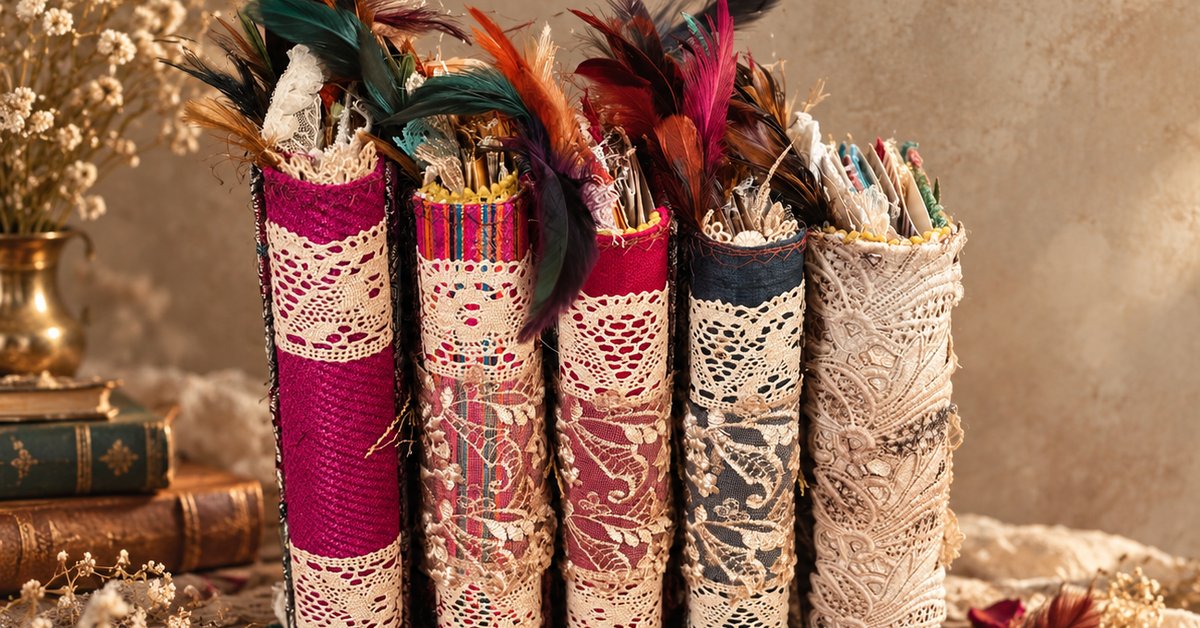
That idea has become central to the way I make Trinketz journals: old wedding invitations, Pakistani textiles, lace, sari silk, inherited papers and found pieces are not decorative filler.
They arrive with histories.
The journal simply gives those histories somewhere else to live.
★★★★★
“I have purchased 3 of Savera’s incredible journals this year. Her materials, color selections and creativity are first rate. Everything is top quality. I am gifting one journal to a friend and selfishly keeping two for myself. I received the package here in the US in only 2 1/2 weeks! The journals were cocooned in cheesecloth inside the envelope which helped protect them from the puncture that the mail carrier made. A cheerful handmade card was included along with a free packet of pretty sprinkles. Definitely one of my very favorite shops!”
The Story Is More Important Than the Scrap
A piece of paper is worth almost nothing until you know what happened around it.
Imagine two identical railway tickets.
One is lying on the pavement.
The other was in your father's pocket on the day he travelled to meet your mother for the first time.
Physically, they are almost identical.
Their value is entirely different.
The difference is the story.
This is why memory keeping is not really about collecting objects.
It is about connecting objects to meaning.
A ticket without its story may eventually become clutter.
A ticket with its story becomes an entry point into a life.
You Do Not Need to Preserve Everything
There is an important distinction here.
Memory keeping should not become fear of throwing anything away.
I do not believe every receipt, ribbon or piece of paper needs to be saved.
The object is not sacred simply because it is old.
What matters is whether it carries something you want to remember.
Sometimes one object can stand for an entire period.
You do not need every scrap from a wedding.
Perhaps you need one invitation.
You don't need every piece of a childhood dress.
Perhaps one beautifully preserved piece of embroidery is enough.
You don't need boxes of someone's office papers.
Perhaps a few pages carrying their handwriting, annotations or work are what actually matter.
Memory keeping becomes meaningful when we edit.
We are not keeping everything.
We are choosing the fragments that can still tell the story.
The Things I Would Write Down Now
There is something I wish more of us did when we keep an object.
Write down why.
Because we often assume we will remember.
But memory is unreliable.
Twenty years later someone may open a drawer and find a beautiful piece of fabric without knowing:
They may find old papers without knowing:
The object may survive while the story disappears.
So now I believe the words matter almost as much as the thing itself.
Even one sentence can preserve context.
This belonged to...
I found this when...
We used this for...
She wore this when...
He wrote on these papers while...
That small act can convert an unexplained old object into family history.
A Simple Way to Preserve One Family Object
You do not need to make an elaborate journal.
Choose one object.
Photograph it.
Then answer four questions:
- What is it?
- Who did it belong to?
- Why was it kept?
- What does it make you remember?
That is enough.
You have now preserved not simply the object, but its provenance.
And provenance is really another word for story.
The "Almost Nothing" Box
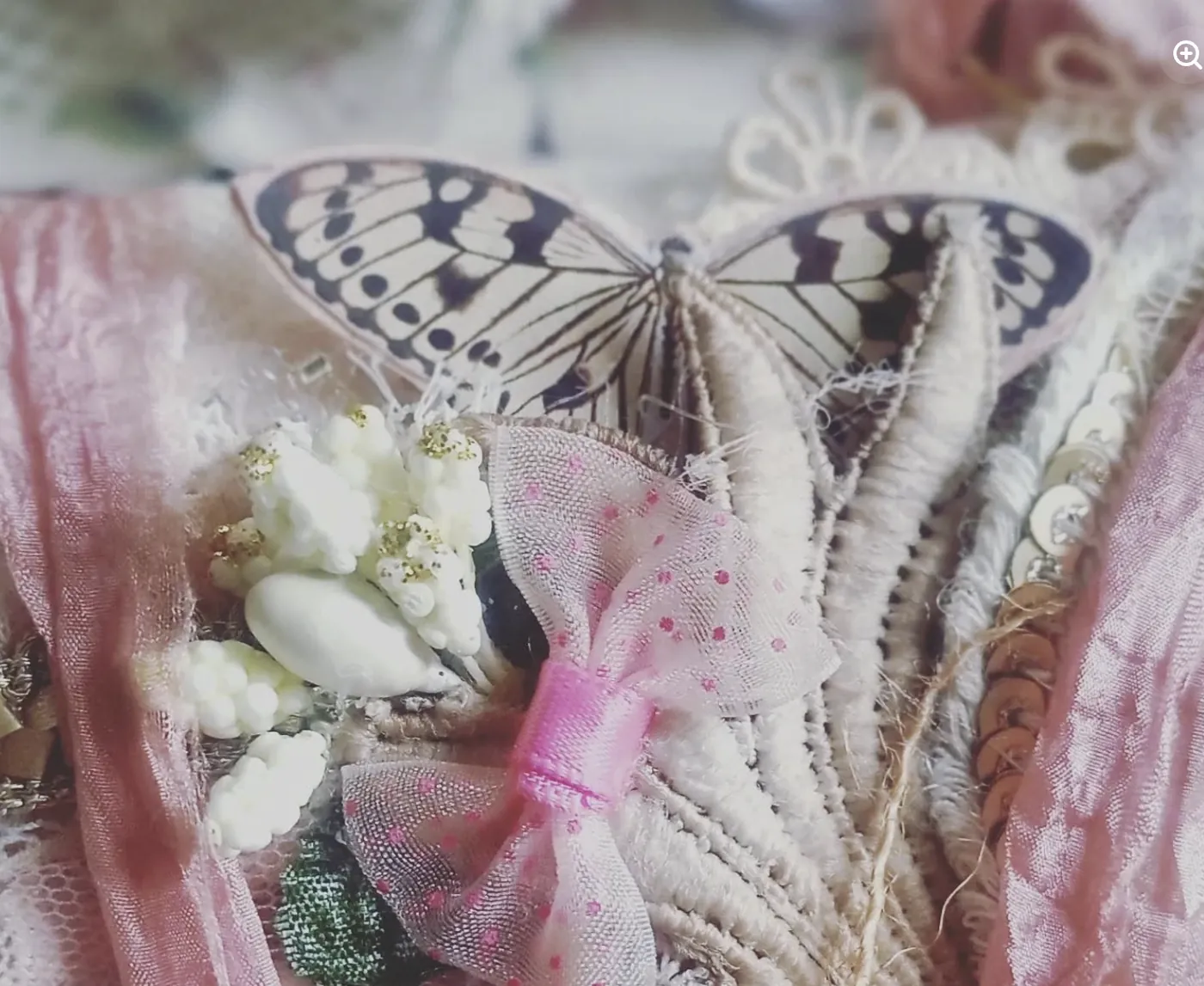
I still like the idea of keeping what I think of as an Almost Nothing Box.
Not an enormous archive.
Just a place for small things that have not yet revealed whether they matter.
A ticket.
A note.
A ribbon.
A label.
A pressed flower.
A tiny piece of packaging.
Something one of the children wrote.
You don't have to make a page immediately.
Let the objects sit.
At the end of the month — or six months later — look again.
Most can probably go.
But perhaps one makes you stop.
That is the one I would keep.
Because memory has already started doing its work.
Why Journals Don't Need an Audience
There is another question hidden inside all of this.
Why preserve these stories if nobody else ever reads them?
My answer is simple.
Because remembering has value even when it is private.
Not every page needs to become content.
Not every journal needs to be shown.
Not every family story needs an audience.
Sometimes creating the page is the act that matters.
You noticed.
You remembered.
You connected something physical to a moment that would otherwise have disappeared.
That is enough.
And sometimes, years later, somebody else may open the journal and discover something you never expected them to need.
We Are Always Leaving an Archive
Whether we intend to or not, we leave things behind.
Photographs.
Messages.
Clothes.
Documents.
Books.
Objects sitting at the back of cupboards.
Most will eventually disappear.
And that is normal.
But a few objects may survive because someone chose them.
The Banarasi fabric my parents gave me could easily have disappeared during one of the many clear-outs that happen across twenty years.
My grandfather's papers could all have been discarded after his death.
Instead, fragments survived.
And now those fragments tell stories.
One about a daughter beginning her married life.
One about a grandfather and the profession he practised.
One about the strange human instinct to hold an object and say:
This mattered to someone I loved.
Perhaps That Is What Memory Keeping Really Is
Memory keeping is not an attempt to stop time.
We can't.
It isn't even an attempt to remember everything.
We won't.
It is the much smaller act of choosing something from the passing stream of life and saying:
Keep this one.
This piece of fabric.
This photograph.
This paper.
This sentence.
This story.
And perhaps, years from now, someone will hold it and understand a little more about where they came from.
Frequently Asked Questions
What is memory keeping?
Memory keeping is the practice of preserving stories, experiences and meaningful materials through journals, photographs, writing, keepsakes and other forms of personal documentation.
What kinds of family objects are worth keeping?
Objects with a clear story or emotional connection are usually more meaningful than objects kept simply because they are old. Photographs, letters, handwriting, textiles, recipes, invitations and small personal documents can all carry family history.
Should I use original family documents in a journal?
Only if you are comfortable altering them. Important or irreplaceable originals may be better preserved intact and photographed or copied for creative use.
How can I stop keepsakes becoming clutter?
Keep selectively. Choose representative pieces and record the story attached to them rather than preserving every object.
What if nobody ever reads my journal?
It still has value. The process of recording and preserving a memory can matter independently of whether anyone else eventually sees it.
Key Takeaways
- The story attached to an object often matters more than the object itself.
- Ordinary materials can become powerful after time or loss changes their meaning.
- Family textiles, papers and handwriting can preserve history in ways photographs cannot.
- You do not need to save everything; select the pieces that can still tell the story.
- Write down provenance while you still remember it.
- Journals can transform meaningful materials without erasing their past.
- Memory keeping does not require an audience.
A Gentle Invitation
Before you throw something away this week, look at it once more.
Not everything deserves to stay.
But ask:
Does this object contain a story I would regret losing?
If the answer is no, let it go.
If the answer is yes, perhaps keep it.
Photograph it.
Write down what it means.
Place it inside a journal.
Or simply put it somewhere safe with a note explaining why it mattered.
The things we preserve do not have to be grand.
My own journals have grown from fabric folded in a cupboard for decades, my grandfather's old papers, wedding stationery, lace, tea-dyed pages and scraps that had already lived one life before reaching my worktable.
That is why I believe so strongly in the story in the scrap.
Because sometimes the smallest surviving fragment is enough to bring an entire person, room or moment back to us.
And that is never "just paper."
Savera Trinketz
From Your Own Fragments to a Journal
If you are gathering papers, textiles, photographs or ephemera and want help turning them into a cohesive journal, the Trinketz Kit Builder can help you organise a theme, colour story and collection before you begin making.
What Customers Say
★★★★★
“Beautiful journal, made very well. Packaged nicely.... Thank you!!!”
— Deanna Mills
★★★★★
“Beautiful journal, every page is an explosion of color, texture and creativity. I bought journal #2 in blue. I'm so happy with my purchase.”
— Linda Armbruster
★★★★★
“Beautiful as described and shipping arrived faster than expected. Great seller, lovely packaging - such a lovely creative and thoughtful junk journal...”
— Stephanie Weyant
Leave a comment
I’ll use your details to reply to your comment. Privacy Policy